
'Two-Exit' Rule
Why a Minimum of Two Entrances are Non-Negotiable for Rabbits and Guinea Pigs Welfare
As prey animals, rabbits and guinea pigs see the world differently to us. In their eyes, a cozy corner can quickly feel like a dangerous trap if there isn’t a clear way out. If you’ve noticed your pets seem jumpy or reluctant to use certain “pet shop” houses, the architecture of their home might actually be causing them silent stress.
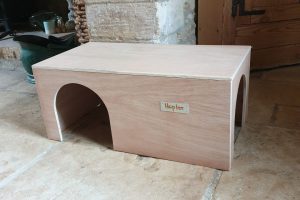
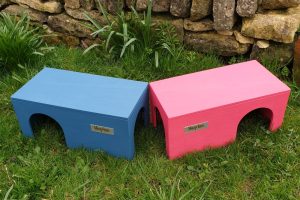
At Hop Inn, we believe that a hideaway should be more than just a wooden box; it should be a sanctuary that respects your pet’s natural instincts. That’s why every piece we hand-craft in our UK workshop is built with a “Welfare-First” philosophy. From our signature dual-entrances to our specialized mold-resistant finishes, we’ve obsessed over the details, so you don’t have to. In this guide, we’ll dive into the five essential features that make a hideaway truly safe—and why “off-the-shelf” alternatives often fall short of the mark.
Why Two Entrances are Non-Negotiable for Rabbit Welfare
In the wild, a rabbit’s burrow isn’t just a single hole in the ground; it’s a sophisticated network of tunnels with multiple “bolt holes.” This isn’t just for convenience—it’s a life-saving evolutionary trait. When we bring rabbits into our homes and gardens, those wild instincts remain.
- Eliminating the “Trap” Reflex
As prey animals, rabbits are biologically programmed to avoid “dead ends.” A hideout with only one entrance can quickly become a source of anxiety rather than comfort. If a rabbit feels cornered by a perceived threat—whether that’s a loud noise, a curious cat, or even a well-meaning owner—the lack of a back exit triggers a massive spike in cortisol (the stress hormone).
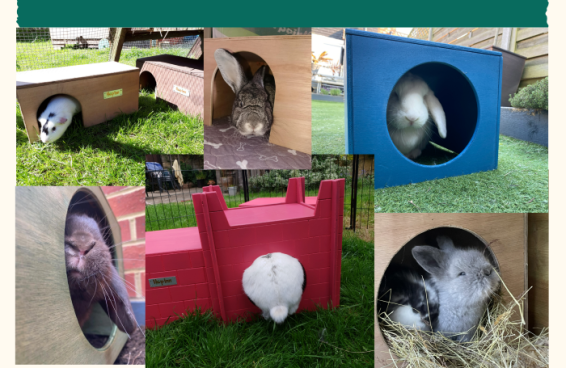
At Hop Inn, we design every hideaway with at least two wide entrances/exists. This ensures your pet always feels they have an “out,” allowing them to truly relax and enter a deep sleep, which is vital for their long-term health.
- Protecting Bonded Pairs
Companionship is essential for rabbits, but even the best of friends need their space. In a single-entry house, a dominant rabbit can accidentally (or intentionally) “block” their partner inside. This is a common cause of “bond-stress” and can lead to unnecessary nipping or chasing.
The RWAF specifically recommends that hiding places for bonded pairs must have two entrances. This “flow-through” design allows one rabbit to exit as the other enters, preventing territorial disputes and ensuring both pets feel equal in their shared home.
- Better Ventilation and Airflow
Single-entry wooden boxes can often become “moisture traps,” especially in the damp UK climate. Two openings allow for natural cross-ventilation. This prevents the buildup of ammonia from urine and keeps the interior air fresh and dry—which is the first line of defence against respiratory infections.
Why Two Entrances are Non-Negotiable for Guinea Pig Welfare
Why Two Entrances are Essential for Guinea Pig Habitats
If you’ve ever watched a group of guinea pigs, you’ll know they are highly social but also highly dramatic! While they love to be together, their “prey” instincts and group hierarchy mean that the layout of their hideout can make the difference between a peaceful cage and a stressed one.
- Preventing “The Bully Block”
Guinea pigs establish a clear pecking order. In a house with only one door, a dominant “top pig” can sit in the entrance, effectively trapping a more submissive cage mate inside. This often leads to “teeth chattering,” nipping, and genuine fear.
- The “Panic Bolt” Instinct
When guinea pigs are startled—by a sudden movement or a loud noise—their first instinct is to “bolt.” In the wild, they use multiple exits to confuse predators. In your home, having two doors allows them to run through the house rather than slamming into a dead-end wall. This prevents head-on collisions and “nose-bonks” that can happen when two spooked pigs try to squeeze through one door at the same time.
- Popcorning Safety
We all love the “popcorn”—that adorable, frantic little hop guinea pigs do when they’re happy. However, guinea pigs have poor depth perception and aren’t the most coordinated athletes! Our wide, dual-entrance designs ensure that if a piggie decides to “popcorn” mid-run, they have a clear path of travel and won’t catch themselves on a narrow doorframe or get stuck in a corner.
“The added Benefits of the Hop Inn Hideaways”
Weather-Proof & Mold-Resistant: Built for the British Climate
If you keep your rabbits or guinea pigs outdoors or in a shed, you know that the British winter is more about dampness than just cold. For small pets, damp wood isn’t just a maintenance headache; it’s a serious health risk.
- The Hidden Danger of Mold
Cheap, untreated wood acts like a sponge, soaking up moisture from the air and rain. This creates the perfect breeding ground for mold and mildew. Because rabbits and guinea pigs have incredibly sensitive respiratory systems, inhaling mold spores can lead to laboured breathing, nasal discharge, and chronic lung issues.
At Hop Inn, we treat our hideaway furniture with specialised, pet-safe “paints” and “stains” that repel water while allowing the wood to breathe. This vapor permeability is key—it ensures that moisture doesn’t get trapped inside the grain, keeping your pet’s sanctuary dry and mold-free all year round.
- Safety in the Finish: Peel-Resistant & Non-Toxic
Many “bargain” hideaways are finished with cheap lacquers that look good on the shelf but quickly begin to flake or peel. For a “chewy” bunny, or guinea those flakes are an invitation to health problems.
Our finishes are specifically chosen for their peel-resistance. Instead of sitting on top of the wood like a plastic film, our paints and stains bond with the fibers. This means:
- No Toxic Flakes: Even if your pet nibbles the edges, there are no brittle pieces of paint to swallow.
- Zero VOCs: We use low-odour, water-based treatments that are safe for those sensitive noses immediately after drying.
- UV Protection: Our finishes include fade-resistant pigments, so your hideaway won’t just stay safe; it will look beautiful in your home or garden for years.
- Hand-Sanded and Nail-Free
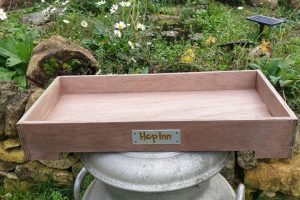
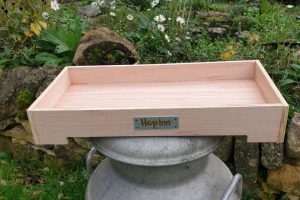
Finally, weatherproofing only works if the structure is sound. We hand-sand every edge to a radius curve, ensuring there are no sharp corners where water can pool and cause rot. By using high-quality joints instead of exposed staples or nails, we eliminate the risk of rust “bleeding” into the wood or sharp points emerging as the wood naturally expands and contracts with the seasons.