
How to Keep Rabbits and Guinea Pigs Cool in Summer: Essential Heatwave Tips
As pet owners, we love the sunny weather, but our smaller furry friends don’t handle the heat nearly as well as we do. Heatstroke can be fatal for rabbits and guinea pigs.
Having a south-facing garden myself, I’ve spent years figuring out the best ways to create shade and keep my pets safe when the temperature rises. Here are my tried-and-tested tips to keep your bunnies and piggies cool this summer.
-
Hydration is Key: Water Bowls vs. Bottles
Your pets must have access to plenty of fresh, cool water at all times.
For both bunnies and piggies, always provide both water bowls and water bottles in their runs. Having both options ensures they can quench their thirst easily and get the essential fluids they need to regulate their body temperature.
-
Clever Ways to Create Shade if They can’t be Moved Inside to a Cool Place.
Direct sunlight is incredibly dangerous for small animals. If your garden lacks natural coverage, you have to get creative.
- Parasols: A quick and easy way to block out direct sunlight over their enclosure.
- The Wet Towel Trick: Soak old bath towels in water, wring out the excess, and drape them over the run. This not only creates extra shade, but any passing breeze will pass through the damp fabric, acting like a natural air conditioner!
- Budget Tip: Don’t ruin your best linen! Head to your local charity shop where you can pick up old bath towels for £1 or £2.
-
DIY Cooling Hacks for Enclosures
You don’t need to spend a fortune to keep your pets cool. Try these simple hacks to lower the temperature in their hutch and run:
- Frozen Water Bottles: Freeze plastic water bottles (ranging from 500ml to 2 litres) and pop them in the enclosure. Your pets can lie right against them to cool down. Top tip: Freeze 2 or 3 at a time so you can rotate them and never run out. The larger the bottle, the longer it stays frozen!
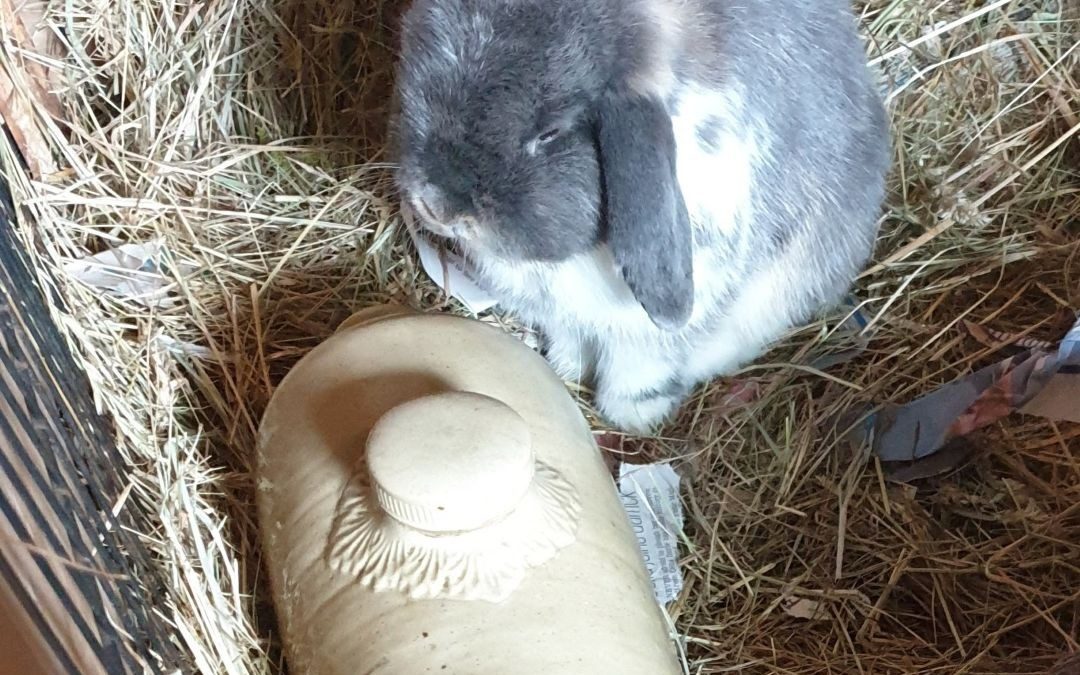
- Victorian Stone Bottles: If you want something that lasts even longer, look online for vintage Victorian stone hot water bottles (usually around £12+). While originally made for winter warmth, filling them ½ full of tap water and freezing them works miracles in the summer. Plus, they make great doorstops in the winter! Only ½ fill – water expands it prevents cracks!
- Marble or Ceramic Tiles: These are invaluable. Place a few tiles in the freezer for an hour, then lay them in the hutch or run. They provide a deliciously chilly surface for your pets to stretch out on.
-
What to Avoid: The Danger of Plastic Hideouts
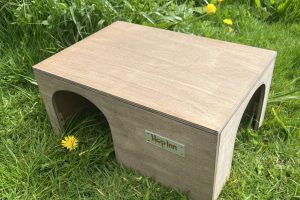
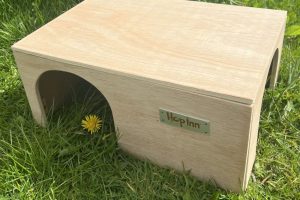
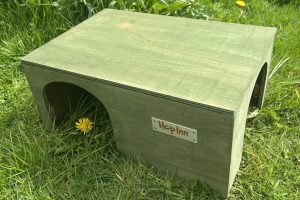
When the weather gets hot, never use plastic hideouts, houses, or tunnels. Plastic acts like an oven in the summer months (just as it stays freezing in the winter). It traps heat and lacks ventilation, making it incredibly dangerous for a hot rabbit or guinea pig. Stick to breathable wooden or fabric structures instead.
-
Spotting the Danger Signs of Heatstroke
Small animals hide their illnesses well, so you need to watch them closely during a heatwave. Look out for these warning signs:
- Being completely floppy, lethargic, or listless
- Rapid, heavy breathing or panting
- Trying to breathe out of their mouth (this is a major emergency for rabbits and guinea pigs)
What to Do in an Emergency
If you suspect your pet is suffering from the heat, act fast:
- Move them immediately to a cool, shaded area inside your home or a cooler part of the garden.
- Cool them down gently. Wipe tepid or cool water (never freezing cold water, as this can cause shock) over their body and head. Do not submerge or soak them.
- Call the vet. If you don’t see immediate signs of improvement, get your bunny or piggy to a vet straight away.
I hope these tips help keep your furry friends safe and comfortable this summer!